What Is Myopia And Why Early Management Matters
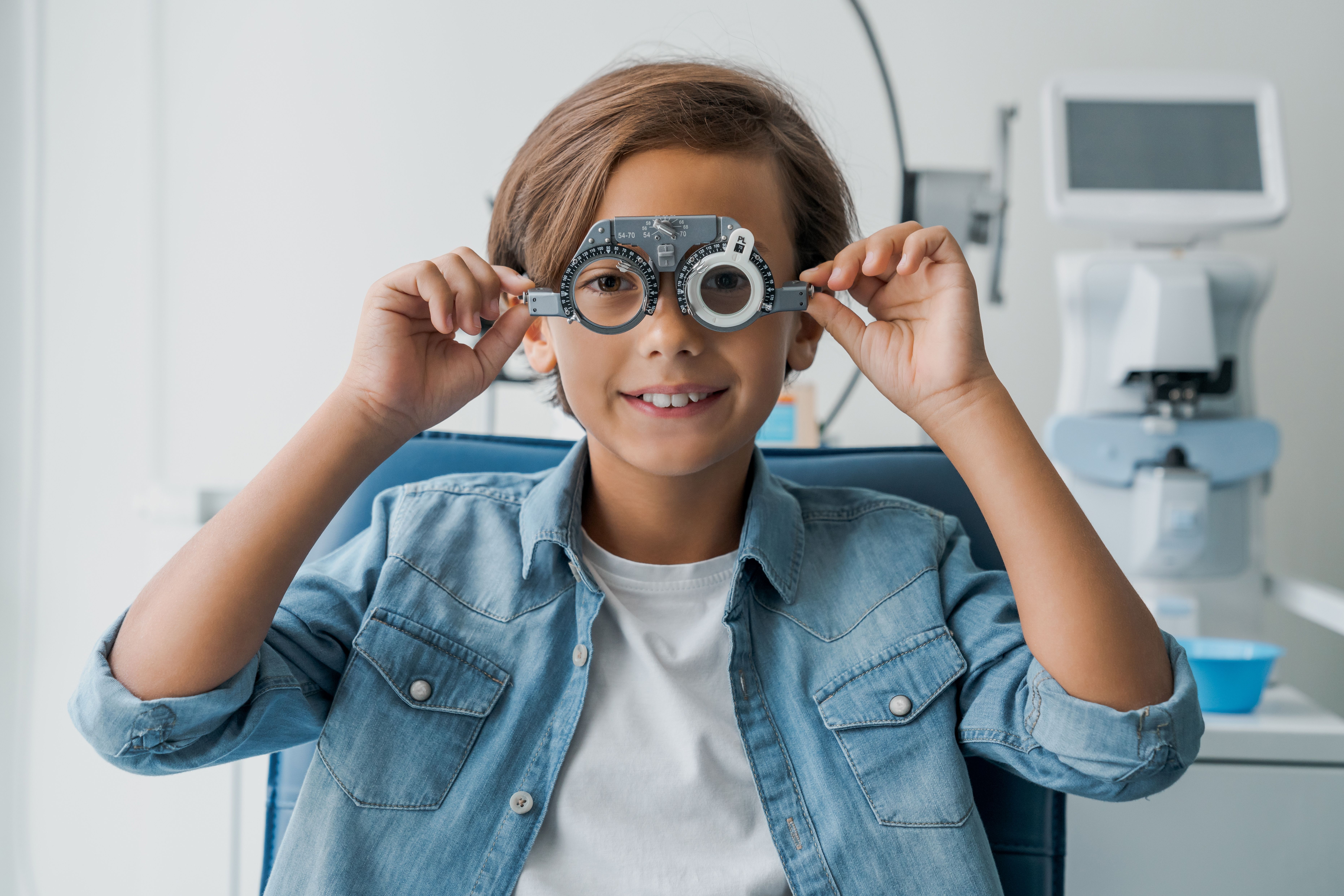
Myopia is a common vision condition where close-up objects look clear but distance vision is blurry. It happens when the eye grows a bit too long from front to back, or the cornea is too curved, causing light to focus in front of the retina instead of directly on it.
Glasses and contact lenses can correct the blur, but they do not stop myopia from progressing. That is why myopia management focuses on slowing progression - especially in children, whose eyes are still developing.
Why Early Management Is Essential
Myopia often starts in childhood and can progress year after year. The earlier it begins, the more time there is for it to worsen. Higher levels of myopia are associated with increased lifetime risk of serious eye problems, including retinal detachment, glaucoma, cataracts, and myopic macular degeneration. Regular comprehensive eye exams are important because they can detect myopia early, track changes in prescription, and help identify other vision or eye health concerns that may not be obvious at home.
Early action matters because slowing progression can help reduce how high a child’s prescription becomes over time. It can also support better day-to-day function in school, sports, and activities that rely on clear distance vision.
Signs Your Child May Be Developing Myopia
Kids do not always realize their vision has changed, so families often spot myopia through everyday behavior. Common signs include:
- Squinting to see the board or TV
- Sitting very close to screens
- Complaints of headaches or tired eyes
- Holding books or devices unusually close
- Struggling with distance tasks, like seeing signs or faces across a room
- A decline in school performance tied to visual tasks
If you notice these signs, scheduling an eye exam is the fastest way to get clear answers.
What Myopia Management Can Include
Myopia management is personalized. After a comprehensive eye exam, your optometrist may discuss one or more options designed to help slow progression, such as:
- Specialty contact lenses (including certain multifocal designs)
- Prescription eye drops (commonly low-dose atropine)
- Myopia-control spectacle lens designs
- Lifestyle recommendations, like increasing outdoor time and building screen and reading breaks into the day
The goal is not just clearer vision today - it is guiding eye growth in a healthier direction long term, with regular monitoring to track changes and adjust the plan as needed.
When to Schedule an Eye Exam
If your child has never had an eye exam, if myopia runs in the family, if you are seeing any of the signs above, or if it has been a while since their last visit, it is important to schedule a pediatric eye exam. Catching myopia early and monitoring changes over time gives your child the best chance to benefit from proactive management.
Schedule your child’s pediatric eye exam at Keelan Eyecare to learn more about myopia management options. Visit our office in Point Pleasant, New Jersey, or call (732) 458-4800 to book an appointment today.


Contact Info
Hours of Operation
- Monday 10:00am - 6:00pm
- Tuesday 10:00am - 6:00pm
- Wednesday 10:00am - 6:00pm
- Thursday 10:00am - 6:00pm
- Friday 10:00am - 5:00pm
- Saturday Call for Saturday Hours
- Sunday Closed
© 2026 Keelan Eyecare. All rights Reserved. Accessibility Statement - Privacy Policy - Sitemap
Powered by: